October 27, 2026
Lighting plays an essential role in how a home looks, feels, and functions. The right fixtures and placement can make rooms feel more spacious, improve visibility for everyday activities, and create a comfortable atmosphere throughout the property. However, achieving these results requires more than choosing attractive light fixtures. Homeowners must also consider brightness, energy consumption, wiring requirements, and how different lighting sources work together.
An experienced electrical contractor can help homeowners evaluate their existing lighting and identify practical improvements that support their needs. Whether you are renovating a single room, updating outdated fixtures, or planning a complete lighting upgrade, professional guidance can help you make informed decisions that improve your home's functionality and appearance.
Improve Indoor Lighting With Strategic Fixture Placement
Choose Fixtures That Match Each Room's Purpose
Every room serves a different purpose, so its lighting should reflect the activities that take place there. Kitchens benefit from bright, focused illumination for food preparation, while living rooms often need softer lighting that supports relaxation and conversation. Bedrooms generally benefit from comfortable lighting that can be adjusted to suit different routines, whereas bathrooms require sufficient brightness for grooming and other personal care tasks.
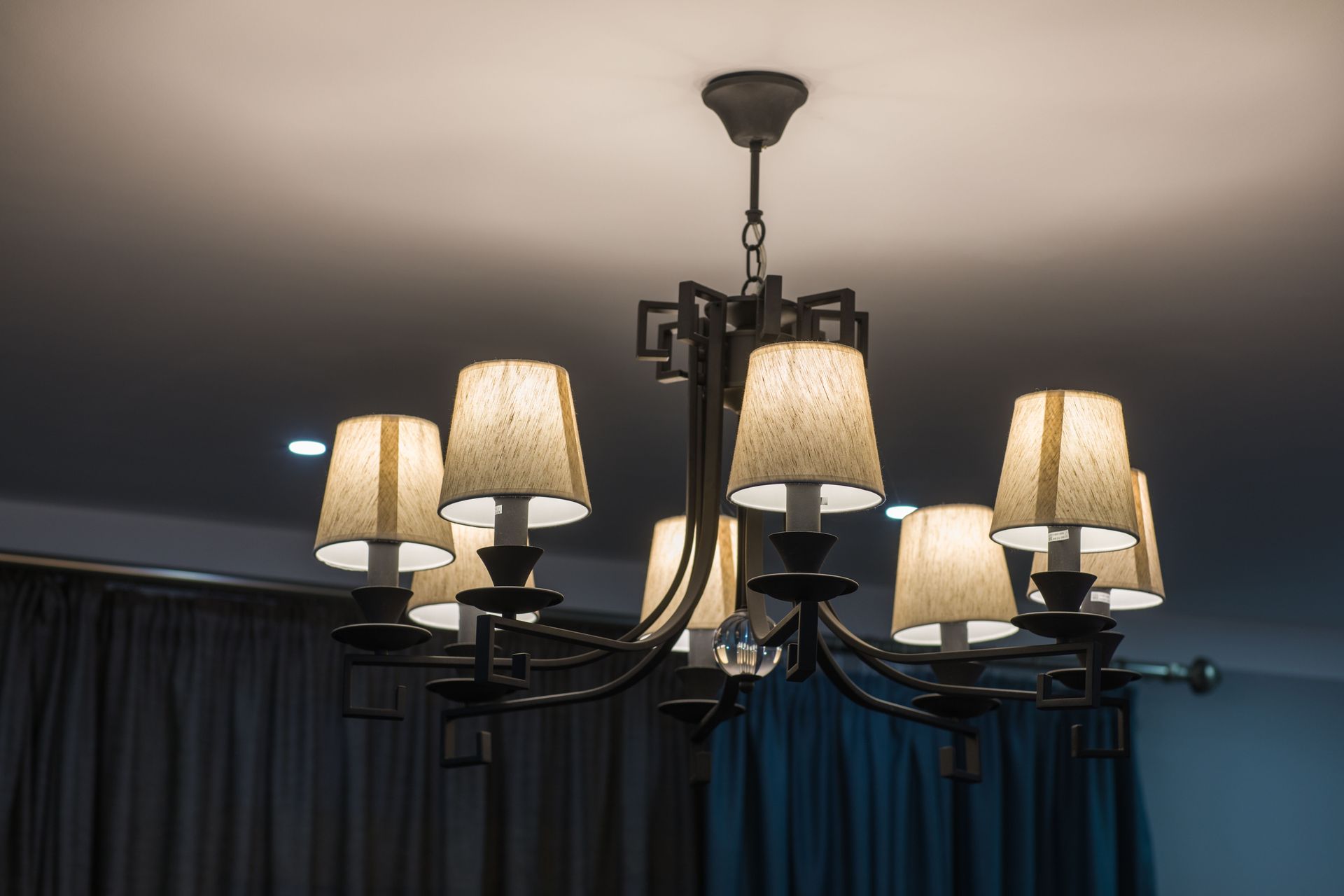
An electrical contractor can assess how each room is used and recommend fixtures that provide appropriate illumination. Recessed lights, pendant fixtures, chandeliers, and wall sconces each offer distinct advantages depending on the space. Selecting the right combination helps prevent dark corners, excessive glare, and uneven brightness that can make rooms less comfortable to use.
Combine Ambient, Task, and Accent Lighting
A well-designed indoor lighting plan often incorporates three complementary layers. Ambient lighting provides general illumination throughout a room, task lighting directs brightness toward specific activities, and accent lighting draws attention to decorative features. Combining these layers creates a more balanced environment than relying on a single overhead fixture to illuminate an entire space.
For example, a kitchen might use recessed ceiling lights for general visibility, under-cabinet fixtures for countertop tasks, and pendant lights above an island for additional illumination and visual interest. In a living room, table lamps and wall sconces can complement overhead fixtures while highlighting artwork or architectural details. A qualified electrical contractor can determine where each lighting layer will be most effective and ensure the necessary wiring and connections are installed correctly.
Consider Fixture Size, Height, and Position
Fixture placement affects both the appearance and performance of a lighting system. A chandelier that is too large can overwhelm a dining room, while a small pendant may provide insufficient coverage above a kitchen island. Similarly, poorly positioned recessed lights can create unwanted shadows, and improperly placed wall sconces may produce glare rather than comfortable illumination.
Careful measurements help ensure that fixtures complement the room's proportions and provide useful light where it is needed. During a renovation or fixture replacement, an electrician can evaluate ceiling heights, furniture arrangements, existing wiring, and mounting requirements before recommending a placement plan. These considerations help create a cohesive appearance while supporting safe and effective lighting throughout the home.
Increase Energy Efficiency and Everyday Convenience
Upgrade to Energy-Efficient Lighting Fixtures
Lighting choices can influence household electricity consumption, making efficiency an important consideration during home improvements. According to the U.S. Department of Energy, lighting accounts for approximately 15% of the electricity used by an average household. Replacing inefficient fixtures and bulbs with energy-saving alternatives can help reduce consumption without sacrificing the illumination needed for everyday activities.
LED lighting is a common option because it uses less electricity than many traditional lighting technologies and typically lasts longer. An electrical contractor can assess existing fixtures to determine whether LED replacements are compatible with the current setup or whether new fixtures would provide better results. Choosing suitable products for each room can improve efficiency while maintaining the desired brightness, color temperature, and overall appearance.
Install Dimmers and Appropriate Lighting Controls
Adjustable lighting allows homeowners to change the atmosphere of a room without relying on the same brightness throughout the day. Dimmer switches can provide stronger illumination for cooking, cleaning, or reading and softer lighting for relaxing in the evening. They can also help reduce energy use when lights operate below full output, depending on the equipment and lighting system.
However, not every bulb or fixture works with every dimmer. Compatibility, wiring requirements, and electrical load must be considered to prevent flickering, buzzing, or inconsistent performance. An electrical contractor can identify compatible components and install the appropriate controls. Timers, photocells, and motion sensors can also be useful in selected areas, particularly when homeowners want outdoor or security lighting to operate according to specific conditions.
Enhance Outdoor Lighting and Long-Term Functionality
Improve Visibility Around Entrances and Walkways
Outdoor lighting contributes to both property safety and everyday convenience. Illuminated pathways, stairs, driveways, and entrances make it easier for residents and visitors to navigate the property after dark. Exterior fixtures can also help identify changes in elevation, obstacles, and other features that may be difficult to see in low-light conditions.
An electrical contractor can evaluate the property's layout to determine where lighting would provide the greatest benefit. Pathway fixtures can define walking routes, while wall-mounted lights near entrances can improve visibility around doors and locks. Motion-activated security lighting may be appropriate for garages, side yards, and less frequently used areas. Selecting suitable brightness levels and positioning fixtures carefully can improve visibility without creating excessive glare or directing unnecessary light toward neighboring properties.
Highlight Landscaping and Outdoor Living Areas
Exterior lighting can also make outdoor spaces more attractive and functional. Landscape fixtures can emphasize trees, garden beds, stonework, and architectural details, while deck and patio lighting helps homeowners use these areas after sunset. Carefully positioned accent lights can create visual depth and distinguish different sections of the property without making the entire exterior excessively bright.
The best approach depends on how the outdoor space is used and which features deserve attention. An electrician can recommend fixture locations, mounting methods, and wiring routes that accommodate the property's design. Outdoor installations also require equipment rated for the conditions in which it will operate, along with appropriate protection for electrical connections. These considerations help ensure that the lighting system serves its intended purpose while maintaining safe operation through changing weather conditions.
Plan Lighting Improvements Around Your Long-Term Needs
A successful lighting project should account for more than immediate appearance. Homeowners may eventually rearrange furniture, remodel a kitchen, finish a basement, or create a new outdoor entertaining area. Considering these possibilities during the planning stage can help prevent unnecessary rewiring and make future improvements easier to complete.
Working with an electrical contractor provides an opportunity to evaluate current priorities alongside potential changes. A professional can recommend fixture types, discuss installation requirements, and identify areas where additional wiring or controls may be useful. It is also helpful to consider maintenance access, replacement costs, and the expected lifespan of selected products. By balancing practical requirements with design preferences, homeowners can develop a lighting plan that remains functional as their needs evolve.
Optimizing your home's lighting involves balancing appearance, energy efficiency, safety, and functionality. From selecting suitable indoor fixtures to improving outdoor visibility, thoughtful planning can make every area of your property more comfortable and practical. Professional installation also helps ensure that wiring, mounting, and electrical connections meet applicable requirements.
An experienced electrical contractor can evaluate your home's existing system, recommend targeted improvements, and install fixtures that complement your space. Whether you need a few fixture replacements or a more comprehensive lighting upgrade, professional guidance can help you create a well-lit home that supports your daily routines and long-term goals. Contact Scandia Electric Inc to discuss your home lighting goals and schedule a professional consultation for customized lighting solutions that enhance your space.